
the Project: represent
Through the creation and dissemination of video capsules focusing on current vocabulary and the issues, realities, and joys of young QTBIPOC and 2SLGBTQIA+ individuals, and the organization of a workshop-style conference by and for QTBIPOC youth workers and/or those at the intersection of other marginalized identities, we aim to increase accessibility to information and sharing for the most vulnerable youth we serve. The video capsules will be in multiple languages spoken by the diverse population of Quebec, particularly in French and Indigenous languages.
represent video series
A 30-video series talking about the different types of 2LGBTQIA + QTBIPOC Representation in Quebec.
Topic 1 Chosen family
The Chosen Family is often talked about in the 2SLGBTQIA community, and in this 9 video serie,s we explored that by talking to :
Traditional Queer Family: How queer people are creating families (making babies, co-parenting, etc.)
Ballroom Family: Why it’s a chosen family system, how it supports and uplifts.
Chosen Families: 2SGLBTQIA+ folks who say their friends are their chosen family
Topic 2: What Does Representation Mean to Queer Community Organizers and Artists?
The people who were interviewed were a mix of folks who either :
create events or get hired for the 2SLGBTQIA+ community
develop spaces for 2SLGBTQIA folks ( activities, event spaces, chef)
job is about working with 2SLGBTIQIA folks
Chosen family
Lucy
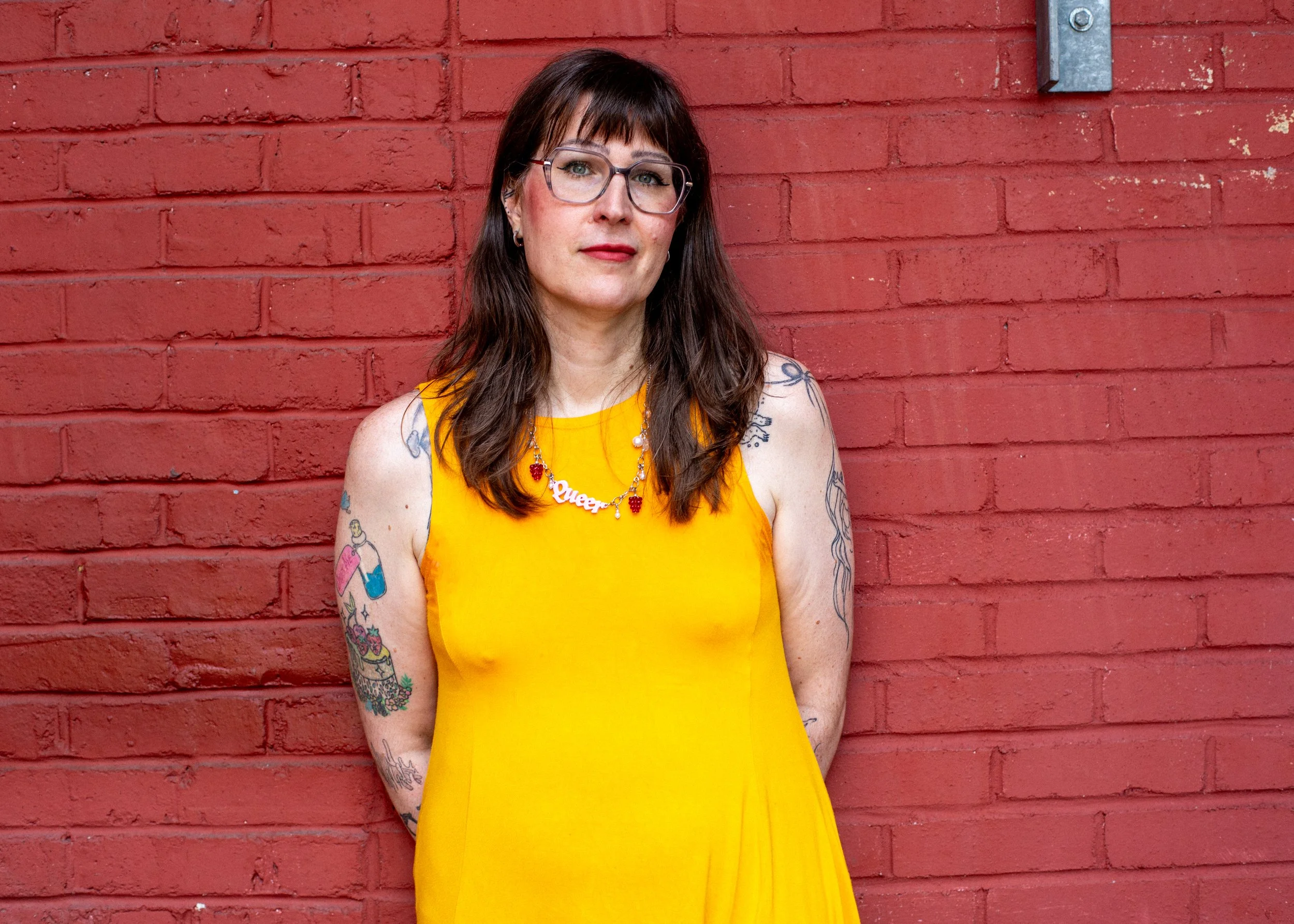
Meet Lucy, a full time mother of 2 who also creates portals into healing through bodywork. Lucy is a neurodivergent virgo sun, leo moon and libra cusp (with mars and venus placements also in libra) who accompanies and supports her children in fully be(com)ing themselves.
“I love being a parent, it’s demanding but, for me, it’s easy.”
Lucy spent 15 years working with(in) and for communities during which she supported youth and adults alike while moving through the various mechanisms of organizational structures. Lucy took part in the development of autonomie alimentaire, worked with and for vulnerable and marginalized parents, and supported teenagers in becoming active, critical, and responsible adults. She has always been involved in the mutual fostering of autonomy and this is reflected in her mothering.
Today, Lucy invests her time in 1-on-1 work. As a neurodivergent person, Lucy finds this 1-on-1 approach more energetically sustainable and appreciates how it allows her to engage in deep(er) healing work with each person she cares for.
“One person at a time is also ok, in the context of healing.”
Video premieres on December 29th
Chosen family
Mavendra\Noor
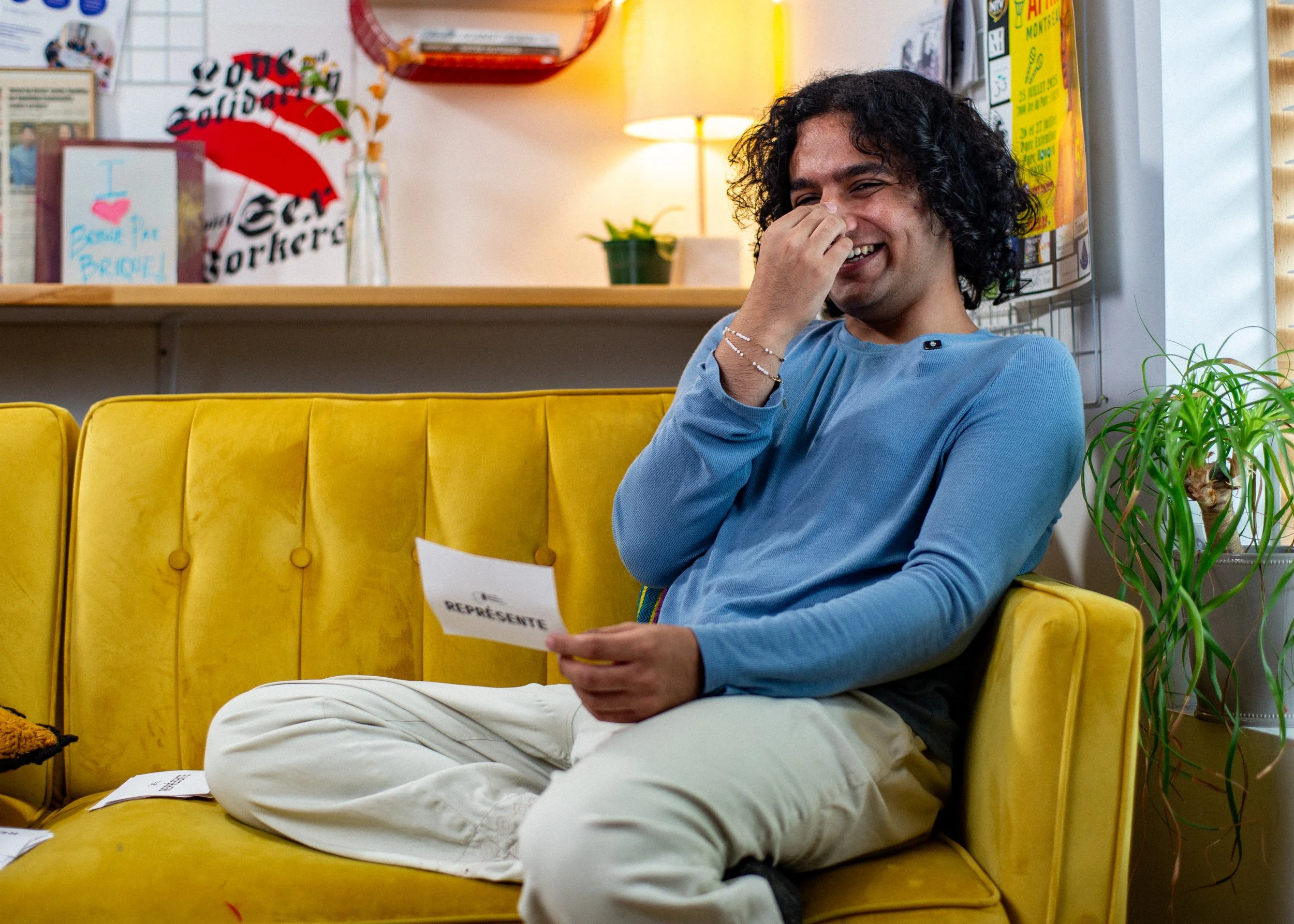
Meet Manvendra/Noor, a 27 year old artist, writer, and documentary filmmaker who continuously creates chosen-family by seeking and offering spaces of care as they move through the world. They arrived in Montreal, from Delhi, 8 months ago to begin their PhD in comparative literature. Within their master's thesis, they explored queer perceptions of home through the lens of performance and everyday life.
“When there’s diversity, there’s people who are always willing to welcome you”
In 2024, Manvendra/Noor co-directed a documentary, B25, about their chosen family in Delhi, which premiered in Bhubaneswar before touring the Indian and Turkish festival circuits. At the heart of the film is the room they inhabited with their chosen kin – the ephemeral nature of the space and the meaning that queer and trans presence infused it with.
“It’s important for us queer, trans, and visibly gendered folks to know we can be together in times of crisis”
Manvendra/Noor describes chosen family as a space that, through proximity, involves conflict/friction yet still creates portals into utopia – a space in which agency can be both recognized and supported, where people can (begin to) live. They have various interests and are always trying new things, letting their mind wander in all places at all times. They like to explore different mediums in their art practice with performance being their major interest as a space to explore the idea and meaning(s) of home.
“Giving recognition to alternative kinds of belonging, that's the way forward, for sure.”
Chosen family
Barbara
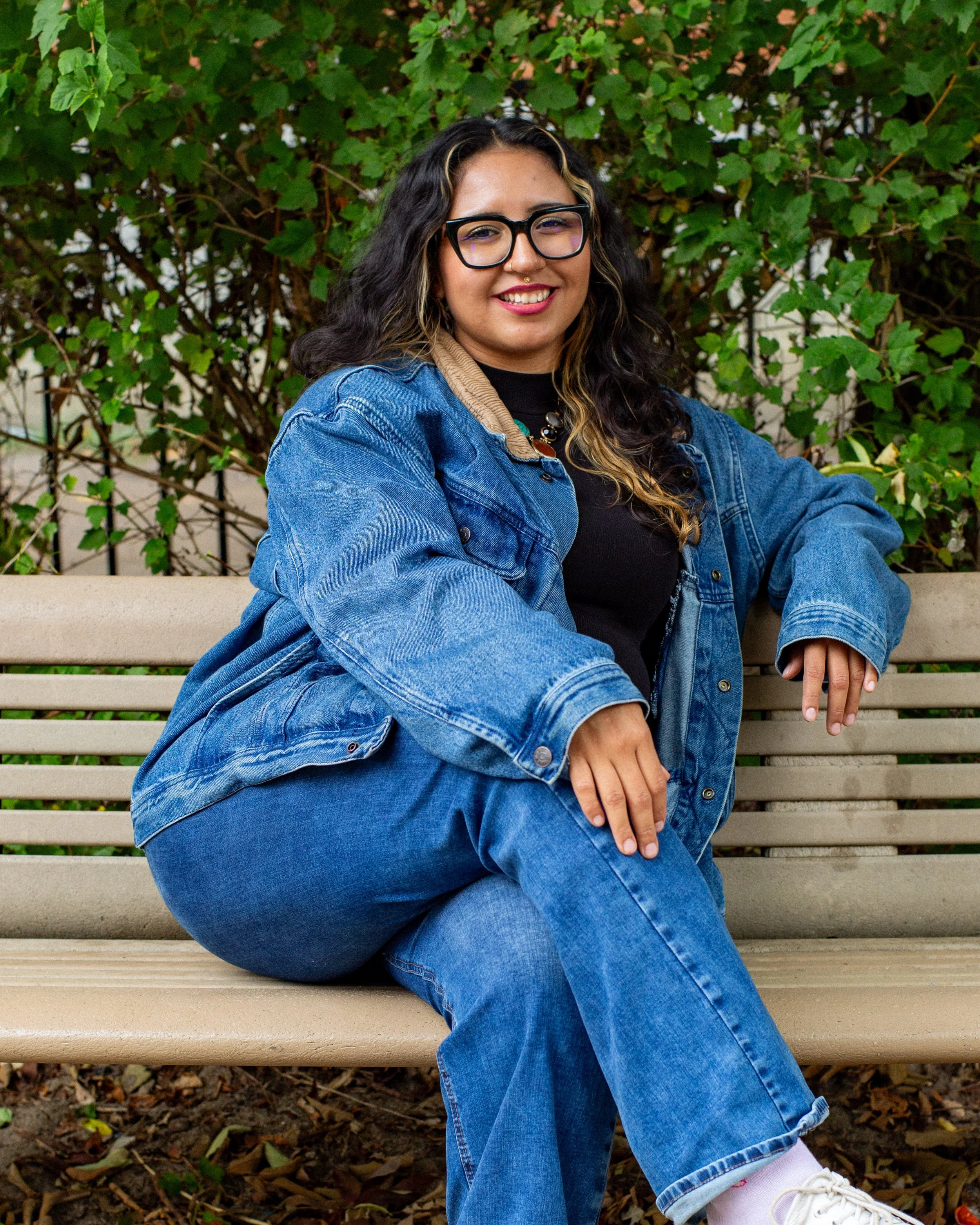
Barbara is a queer Mexican immigrant living in Montreal, navigating a world where she doesn't fit all the traditional boxes. She is an herbalist, abortion doula, performer, and a single mother whose first language is Spanish and third language is French. As a "late bloomer, she has been working to understand herself in relation to heteropatriarchy and internalized homophobia, facing these issues both internally and socially as a femme-presenting lesbian. Working as an abortion doula has highlighted for her the importance of education about abortion and comprehensive care before and after the procedure, recognizing how difficult that decision can be and emphasizing the significance of bodily autonomy. Follow-up support and judgment-free conversations are crucial.
Since her first language is Spanish and French is her third, she often struggles to find time to learn more French or access services. Taking a French course isn't a priority or easily accessible when raising a child. She and her daughter are like a tree with many branches of support, including her sister, friends, and partner. She is raising her daughter with lots of love, and all types of queer people are surrounding her with a community and family.
“You can kiss a girl in public, not only in the bathroom. Being affectionate is safe. “
Chosen family
Lanzz
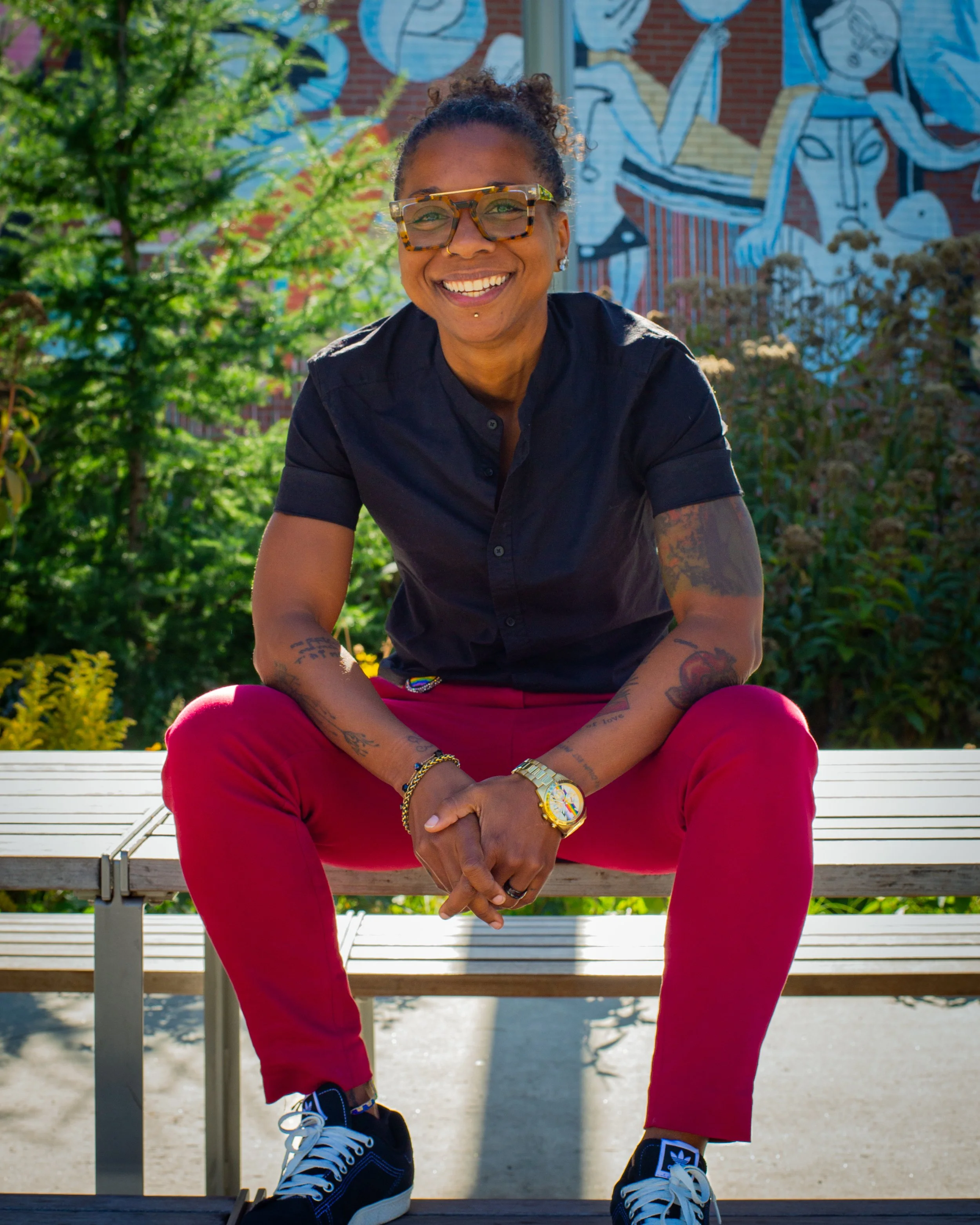
From Martinique, Lanzz is a Black, gender non-conforming sneakerhead and parent who works at Coalition des familles LGBT+. For Lanzz, family isn’t limited to two people — it can be chosen, it can be four people, or even a small village.
Through their work at the Coalition, Lanzz sees firsthand that while 2SLGBTQIA+ families have the right to equal access, they still face many barriers. Something as simple as a form can be a reminder of exclusion — like having to cross out “father” because you’re two moms, or a mom and someone who’s non-binary.
Lanzz is deeply committed to connecting with BIPOC families and acknowledges the complexity of navigating between community and culture. For many Caribbean people, cultural expectations and 2SLGBTQIA+ community life can feel worlds apart — sometimes you have to choose one over the other.
La Coalition des familles LGBT+ est un organisme communautaire de défense des droits qui vise la reconnaissance sociale et légale des familles issues de la diversité sexuelle et de la pluralité des genres.
Chosen family
Jodie -Ann and Rachel
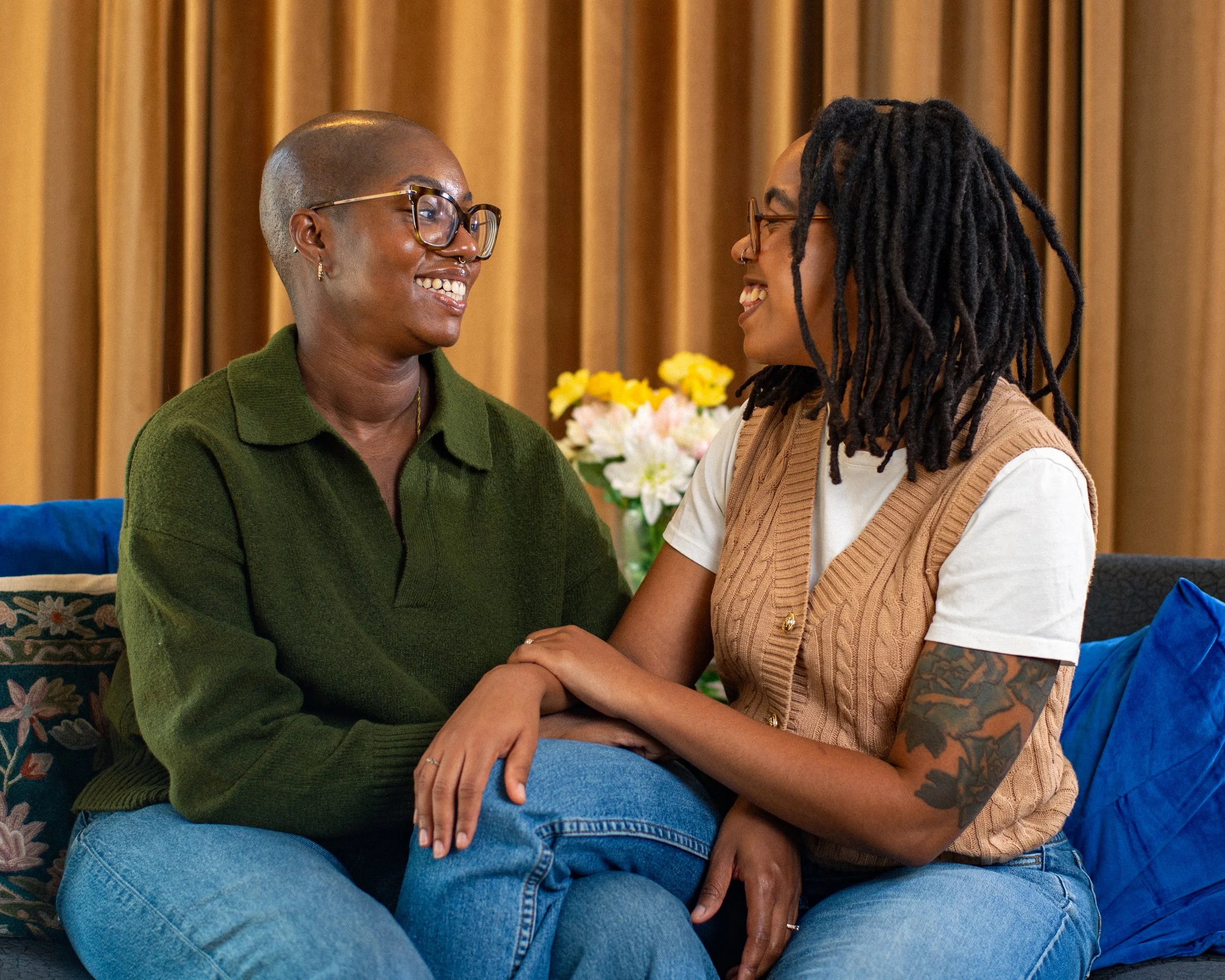
Meet Jodie-Ann, a Libra, and Rachel, an Aquarius, who found each other in love and are now embarking on the transformative journey of parenthood alongside each other. The couple met nine years ago on OkCupid and have been married for five years. Today, they are proud parents of their 15-month-old baby, Zora, a Gemini, completing their fully air sign family! Not to mention their two cats, whom the couple playfully describe as Zora’s siblings.
Rachel and Jodie-Ann are vocal about their experiences as Black, Queer parents navigating Quebec’s healthcare, bureaucracy, and parenting communities.
“I feel like sometimes people on the outside might not understand that we are both parents…We’ve definitely had it happen where either one of us was called the ‘auntie.’”
Jodie-Ann (They / Them) is a Registered Social Worker, special care counselor, and yoga facilitator. Their practice focuses on providing affirming and trauma informed care and counselling to BIPOC, Queer, and Trans individuals, organizations, and communities. Rachel (She / Her) is a certified homebody, self proclaimed former “corporate bitch”, and currently a stay at home mama for little Zora.
Both feel empowered and proud of the family they have created but also struggle to see themselves and their family represented within Quebec’s institutions and the mainstream culture.
The couple are also not shy about sharing the joys and trials of pursuing medically assisted reproduction in Montreal. An experience that can be both life-changing and challenging at the same time.
“If you wanna go through the route of medically assisted reproduction, it can be expensive, it can be really invasive, it’s not very romantic…so for some people, it doesn’t feel super accessible and especially if you’re racialized you might not really want to like deal with all of that.”
While grateful for the resources they were able to access as queer parents, both Jodie-Ann and Rachel lament that there is still much work left to do in the recognition and support of non-heteronormative families in Montreal.
“In Quebec…structurally, there is no structure really for Queer families within the bureaucracy.”
Chosen family
Old Navy
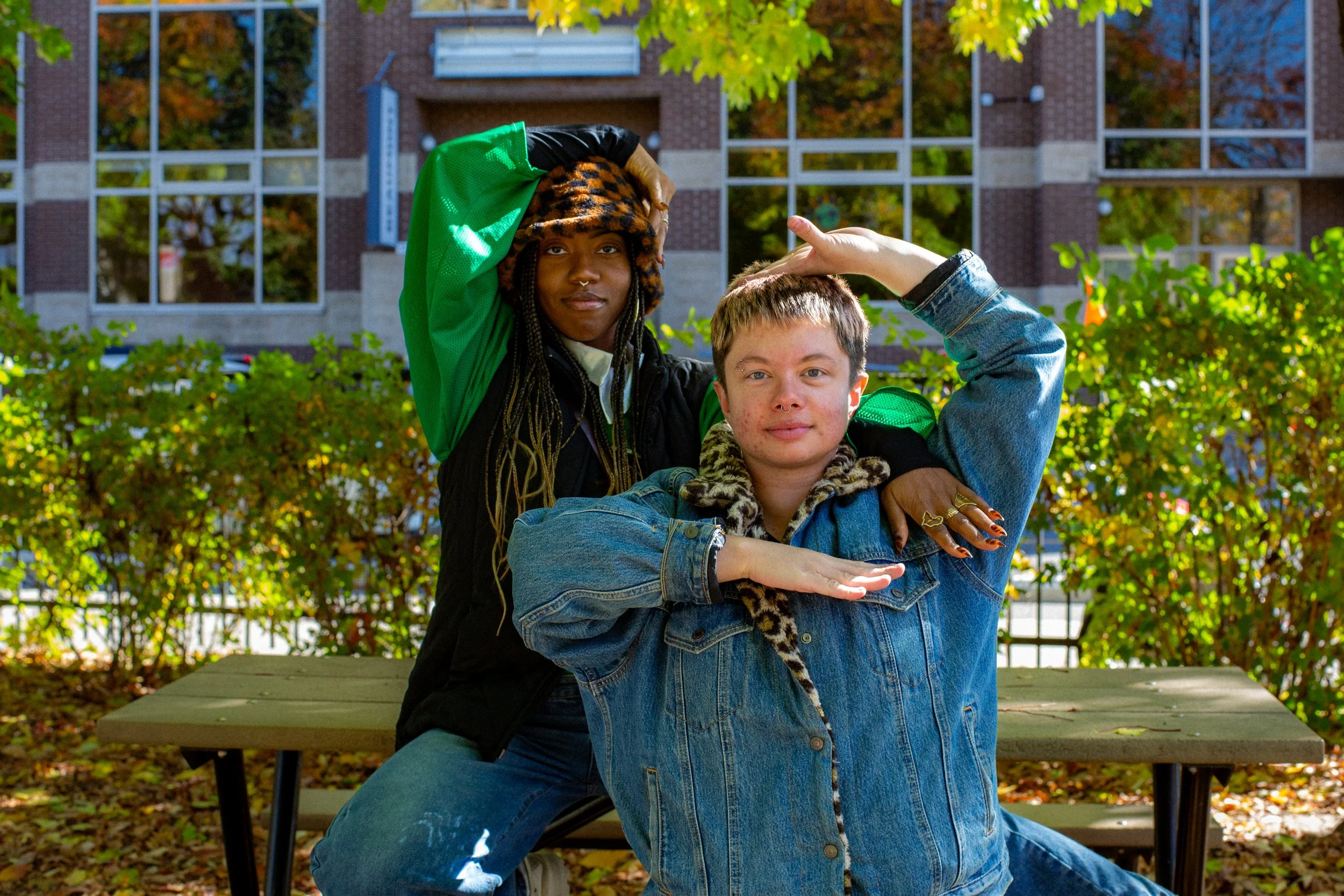
Meet Rise and Silver, members of the House of Old Navy! They openly express what life is like in the ballroom community, the responsibilities that come with being part of a chosen family, and the pivotal role this culture has played in uplifting marginalized communities.
“Ballroom is, in itself, a protest. It’s helping [by] having a support system and representation for Black and People of Colour.”
Rise is the House Princess, and Silver is the House Godfather of Old Navy’s Montreal chapter. The two have an intimate understanding of what these familial roles mean in ballroom culture and how people embody them for their community:
“It’s more about the roles and the presence than it is about authority and having a hierarchical structure.”
In the culture, Rise specializes in ‘Women’s Performance’ while Silver is a ‘Pop, Dip, & Spin’ extraordinaire.
However, outside of ballroom, Rise is a Taurus, a kinesiologist, dancer, and multidisciplinary artist from Montreal. Silver is a Libra, journalist, editor, and media specialist originally from Drummondsville but now based in Montreal. Both are also community organizers who run the Ballroom 4 community collective, an organization that aims to foster connections by organizing ballroom events, parties, awards shows, and other cultural activities that center on Queer arts.
“It’s a space for people to push and embrace their version of themselves and also to push their artistry, their creativity, and for them to be as Queer as they want to be, and as free and as liberated.”
Rise and Silver proudly flaunt their House and give flowers to their Legendary House Father, Ali. The pair emphasize the role ballroom plays in enriching their own lives and the lives of many other Queer folks who lack the support they need from their biological families, Quebec governments, and mainstream culture as a whole.
“At the core, we’re here for each other. So there’s a space for you too, if you want.”
Chosen family
Seriz
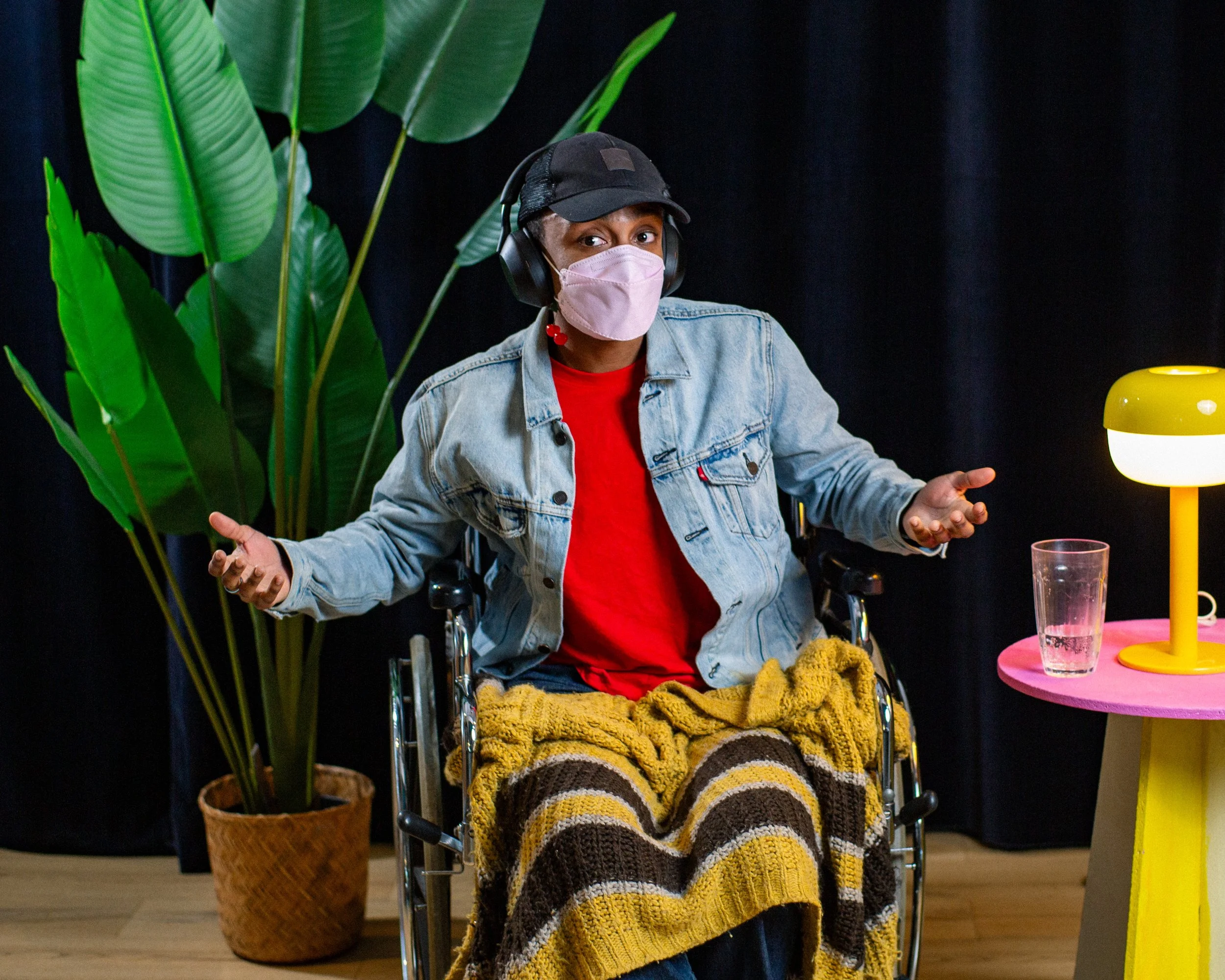
Meet Seriz! Seriz is a nb / proud asexual radical accessibility advocate, community organizer, and member of the Rainbow Spice Collective / Collectif Mille Couleurs. Seriz also dabbles in cultural work, including navigating ballroom spaces for a time, and helping set in motion the Montreal ‘Cherry Punk’ scene.”
Seriz describes themselves as an ‘international Haitian’ who has travelled to many countries and called many places home, until finally arriving in Montreal in 2021. As someone who understands what it’s like to live at the intersections of marginalizations such as race, disability, and neurodivergence, Seriz is outspoken about ensuring the realities of differently abled people are brought to the forefront.
Much like Seriz, Rainbow Spice Collective specializes in bringing a little radical spice to as many spaces as possible. Seriz echoes their values by emphasizing the importance of building bonds between marginalized communities through joy, art, and mutual aid. Rainbow Spice Collective often hosts film clubs, crafting circles, open mics, and other events meant to foster community for Queer disabled and neurodivergent people across the board.
However, Seriz expresses that many communities still have a long way to go when it comes to, not just providing radical accessibility but acknowledging the need for it in the first place. They believe it’s our collective responsibility to encourage BIPOC, immigrants, and newcomers to stop downplaying disability and begin showing up as their vibrant, authentic selves.
“Being able to show that ‘yes’ we do have disabled and neurodivergent people of color and show that, not only we can be a chosen family, but we could create - whether [it’s] activities or opportunities or trade skills or find ways to thrive as a community - we’re not just some sort of intersectional theory that’s spoken about.”
What Does Representation Mean to Queer Community Organizers and Artists?
Raf
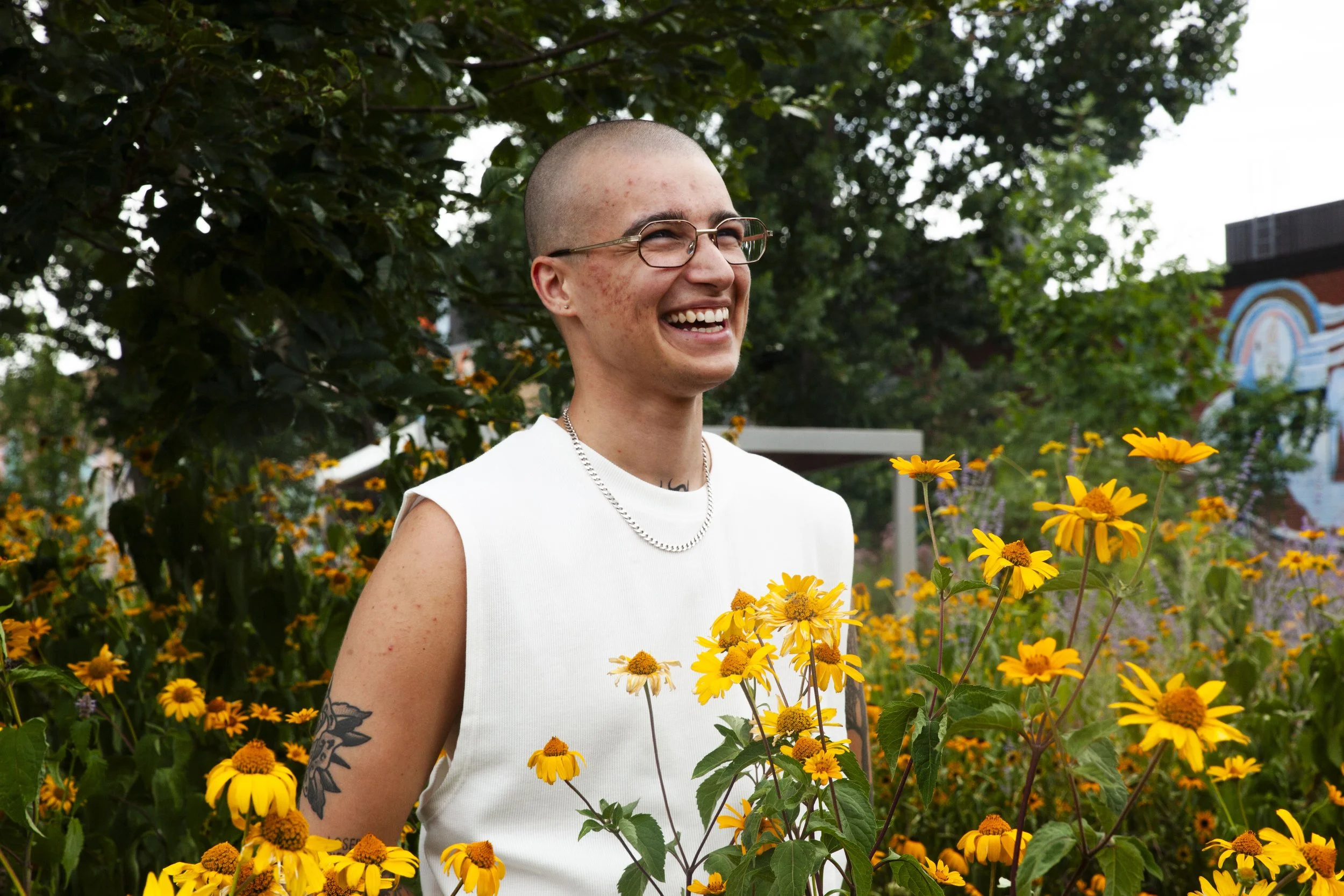
Meet Raf, founder of Details Agency. Raf is a transmasc model, a Leo, and a literary lover whose PhD studies explored the role of silence(s) in reclamations of power. Community is at the heart of his work – holding space(s) where queer, trans, young, old, disabled, and/or racialized folks can be their full selves.
At Details, he prioritizes accessibility and transparency, clearly stating what models and clients should expect when co-creating images that hold the broad(er) dimensions of our reality.
“It’s an agency that is 100% driven by my values, and I can’t see any other way of doing it.”
Raf is intimately familiar with the (often brutal) realities of the modeling industry and works diligently to create a different experience for his models by centering their needs.
“My definition of a queer community is a community that is very, very politically engaged.”
Raf defines queerness as an inherent recognition of intersecting political struggles and an ongoing commitment to collective liberation. He shared that being queer and being rooted in queer community entails far more than who people share their intimate space(s) with, it’s about the futures they work to build beyond their private spheres.
“If there’s one thing I’d like people to remember about me, it’s that I really try to connect people.”
What Does Representation Mean to Queer Community Organizers and Artists?
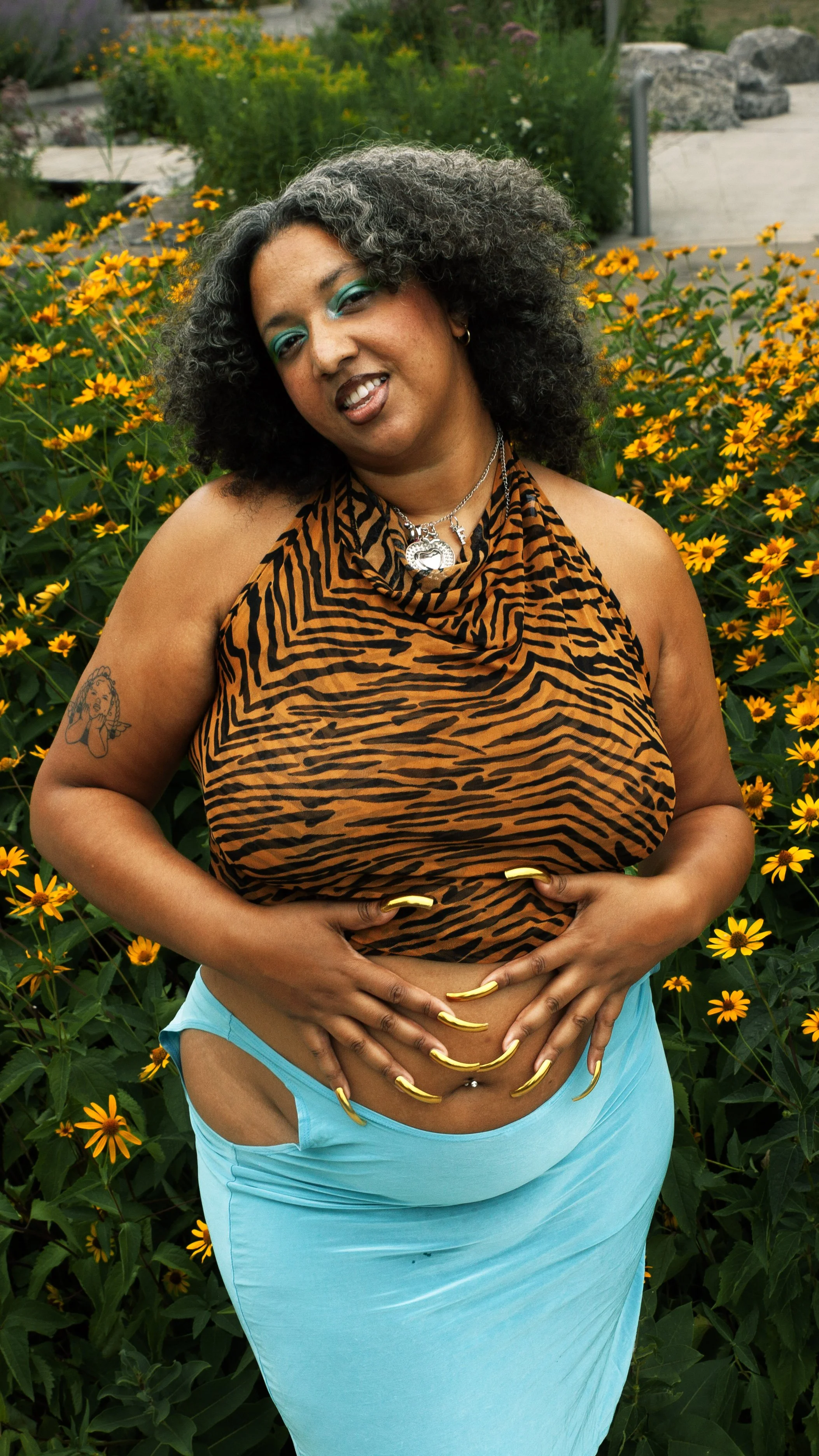
Meet Fatim, a lover of the aesthetic realm, a multidisciplinary artist, a community organizer, and – of course – The Dyke Nail Artist of Montreal. She embodies and holds space for Black queerness in all that she does, stating that “this is the place where culture is born – this is the place that everyone else steals from.”
Fatim defines community as a self-referential space where meaning and belonging are a reflection of how people care and who they care for, a space where people practice their own culture and celebrate their own icons, a space where mainstream references are obsolete.
Through My Lil Nailz Fantasy, she creates sculptural works of art for the people she loves and admires – Black trans sapphic strippers and all those whose intersections speak to melanated queer lesbian experiences.
Fatim refutes the notion that community spaces should be modest. She honours the inherent luxury of Blackness and queerness in all that she does, reminding fellow Black queer and trans folks that the spaces they create and occupy should be infused with the aesthetics of their brilliance. Anyone who enters her studio, who rocks or who even glances at one of her sets is reminded of this brilliance.
What Does Representation Mean to Queer Community Organizers and Artists?
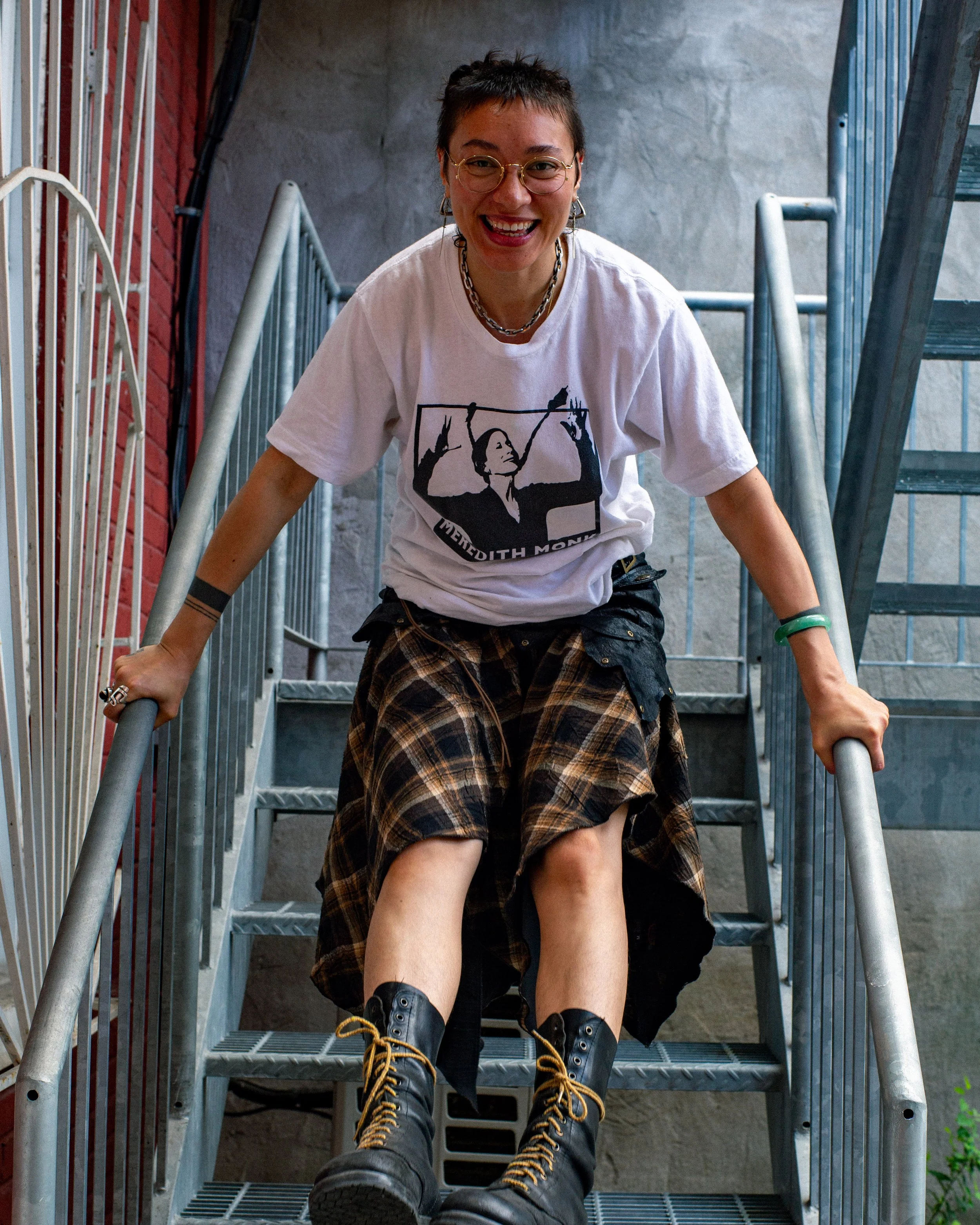
Be
Meet Be, an Aquarius sun with a Capricorn stellium in the house of Scorpio who loves discipline and who is perpetually being reborn. Be is the founder of The Singing Dancing Garden – a nomadic school for song, dance, and the metaphysical arts – and a facilitator of music, dance, and embodiment ritual who has been holding space for sex workers, queer, trans, and racialized folks within their practice for more than a decade.
“My practice evolved with the people within it — it’s like I've grown up with people over 10 years”
Be defines community as a web of relations that is woven with goodwill, trust, common interests, and shared values. For them, community belonging means being able to exist in difference while acknowledging that this difference helps us grow and expand.
Creating invitations at the threshold of dance, conflict resolution, healing and Daoist martial arts, Be’s work as an artist and a community organizer brings people into their inherent curiosities through the shadow realm.
“I create spaces for people to reintroduce themselves to one another over and over again, without words and with words […] There’s something about tapping into a wordless imaginary […] using tone to communicate with myself and with others […] by touching certain sounds we’re able to travel in time”
Within their practice, diasporic people can let go of colonial languages while giving voice to the grief of lost mother tongues and motherlands, as well as the surprises of intuitive sound as they connect with themselves, each other, and all that their bodies allow them to remember.
What Does Representation Mean to Queer Community Organizers and Artists?
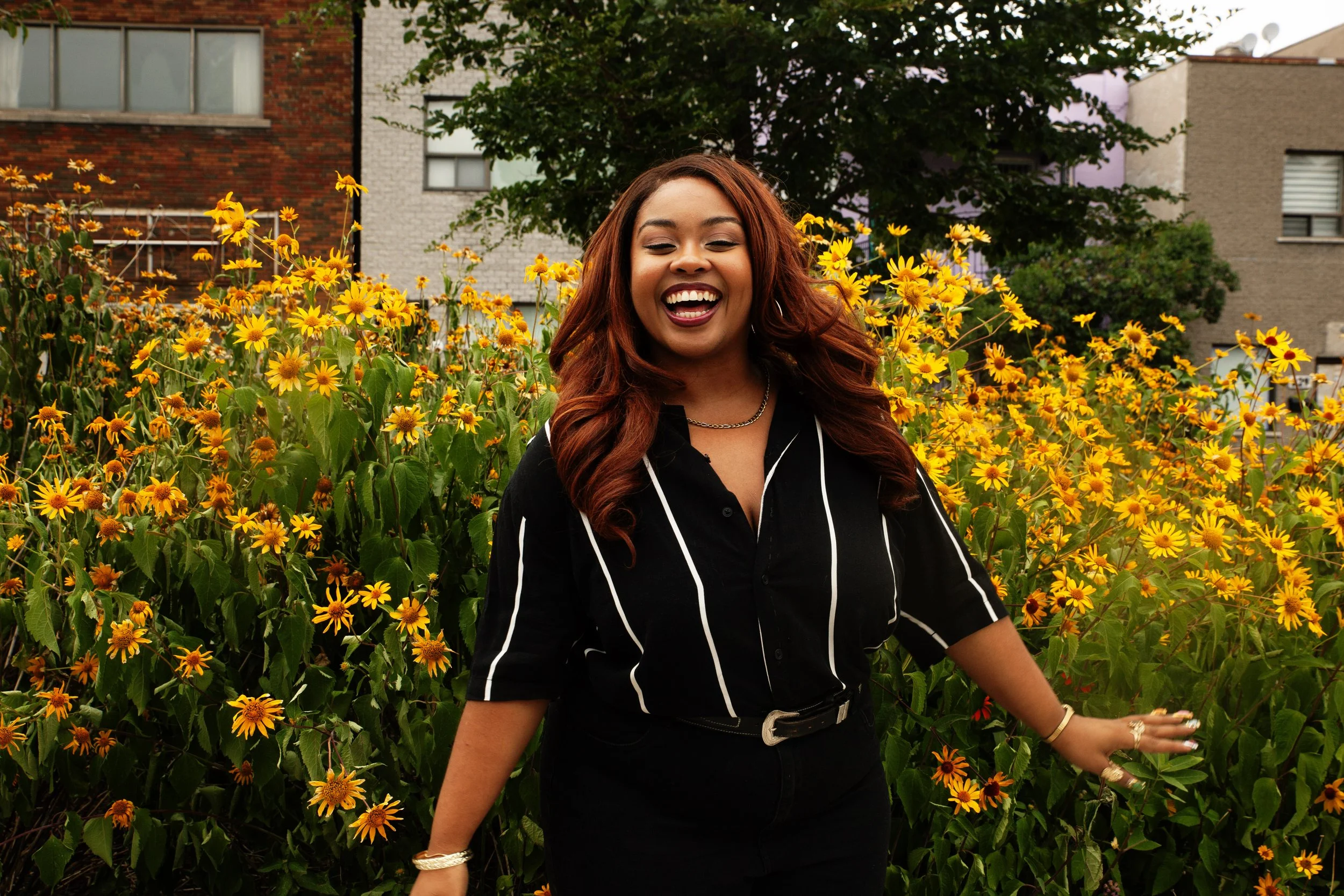
Marlyne
Meet Marlyne, a Gemini who finds inspiration in everything and anything, and a multidisciplinary artist who expresses herself through dance, ballroom, drag, gogo, and standup (to name a few). She is the founder and organizer of Sweet Like Honey Montreal, an intentional event series where lesbian/sapphic and BIPOC communities can gather while celebrating local BIPOC artists, talent, and businesses.
Marlyne loves the creative process — witnessing the seed of an idea blossoming into a collective experience that nurtures all in attendance – this is reflected in Sweet Like Honey events where everyone’s fantasies can come to life.
“A lot of people think that there’s a team behind Sweet Like Honey. There’s no team, it’s just me.”
At Sweet Like Honey, whether it’s a chèlbè dance party/ball in honour of her late grandmother or a community screening of Shakedown, a Black strip club documentary, Marlyne channels her creativity to shape meaningful moments of belonging within Montreal’s BIPOC sapphic scene.
“Every event is different for a reason, and it will attract different people.”
She defines community as the act of bringing people together, stating that: “everyone is unique, everyone is different, but we all have things in common. Community is supporting each other through not only good times but hard times too.” Through Sweet Like Honey, she consistently brings this definition of community to life.
What Does Representation Mean to Queer Community Organizers and Artists?
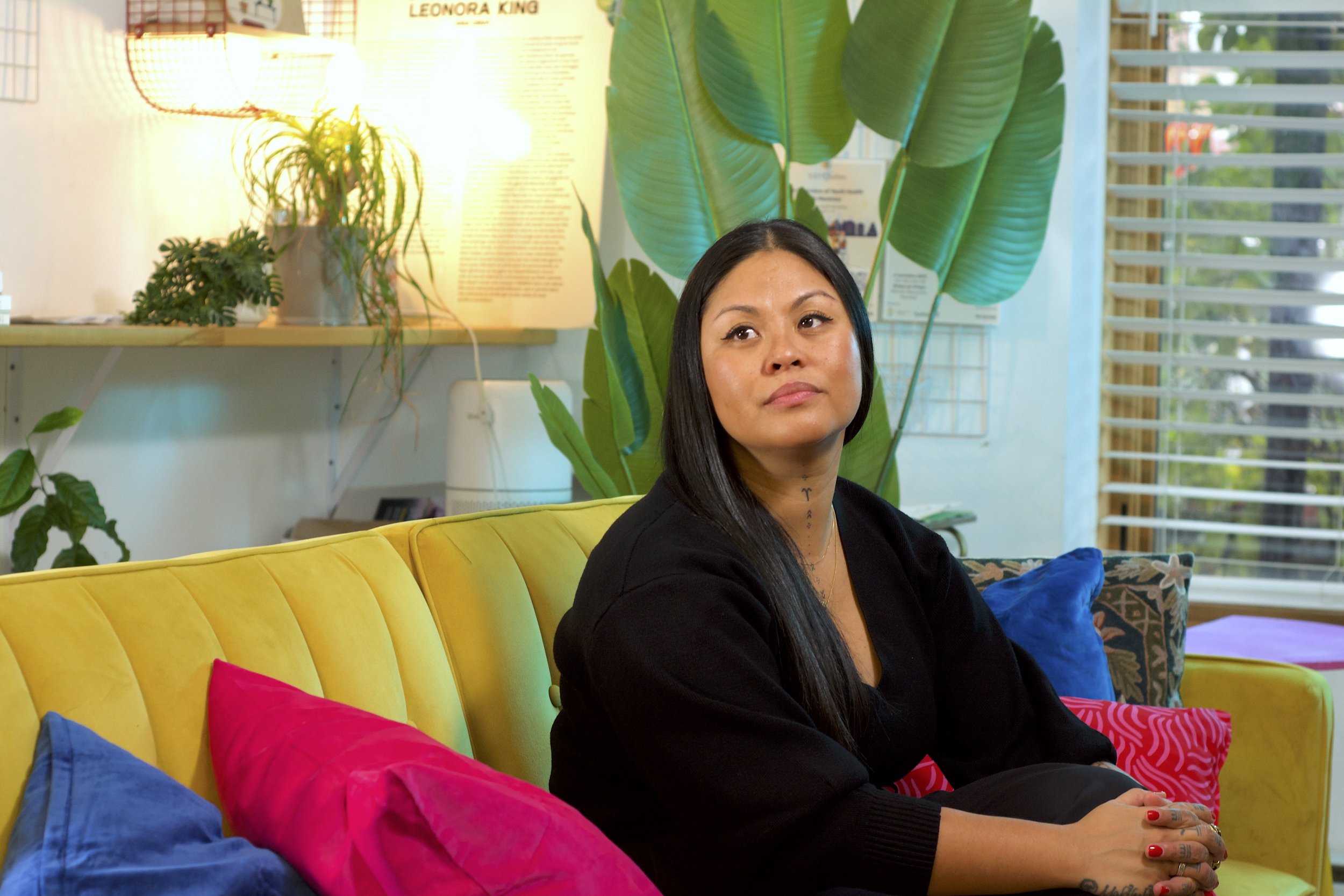
France
Meet France! She is a Queer Filipinx mental health counsellor, community organizer, and Cancer Sun based in Montreal. France pursued her undergraduate education at the Simone de Beauvoir Institute learning anti-oppressive and social justice frameworks. She also completed a Masters of Arts degree in Counselling, Psychotherapy, and Spirituality.
Over the years, France has become a beloved organizer and pillar in her community by being an advocate for Filipinx/a/o youth. France shares with us how her work stemmed from an early awareness of the lack of mental health resources available to Filipinx communities, especially Queer youth. She recalled to us her own upbringing and how she didn’t have as much access to resources or activities outside of the cis-heteronormative structures pushed onto Filipinx youth. Girls competed in pageants, while boys played basketball. However, even back then France knew that there had to be alternate forms of expression for herself and others who felt like their identity existed outside of what power structures dubbed the “norm.”
Through her education and organizing, France found intersectional feminist philosophies and praxis that aligned more with her identity and values. France is currently the Executive Director of Centre Kapwa and on the Advisory Council for Kabangka, two nonprofit organizations that support the leadership and mental health of Filipinx/a/o youth and their families. France is vocal about recognizing the integral role Filipinx communities have played in shaping the social and economic landscape within Quebec and across Canada.
On top of being a stellar organizer, France is also a mommy who loves reciting daily affirmations with her adorable six year old. She approaches her work and personal life through a decolonial lens, even applying these values towards her parenting style. While her work can tackle sensitive topics, France is still an expert at keeping things approachable, friendly yet informative. She is aptly nicknamed by her community as the ‘One Take Teta,’ due to her ability to concisely communicate complex topics in one shot. In her spare time, she also enjoys peloton and yoga.
France is truly a beautiful example of creating the change you wish to see throughout your community and the world.
What Does Representation Mean to Queer Community Organizers and Artists?
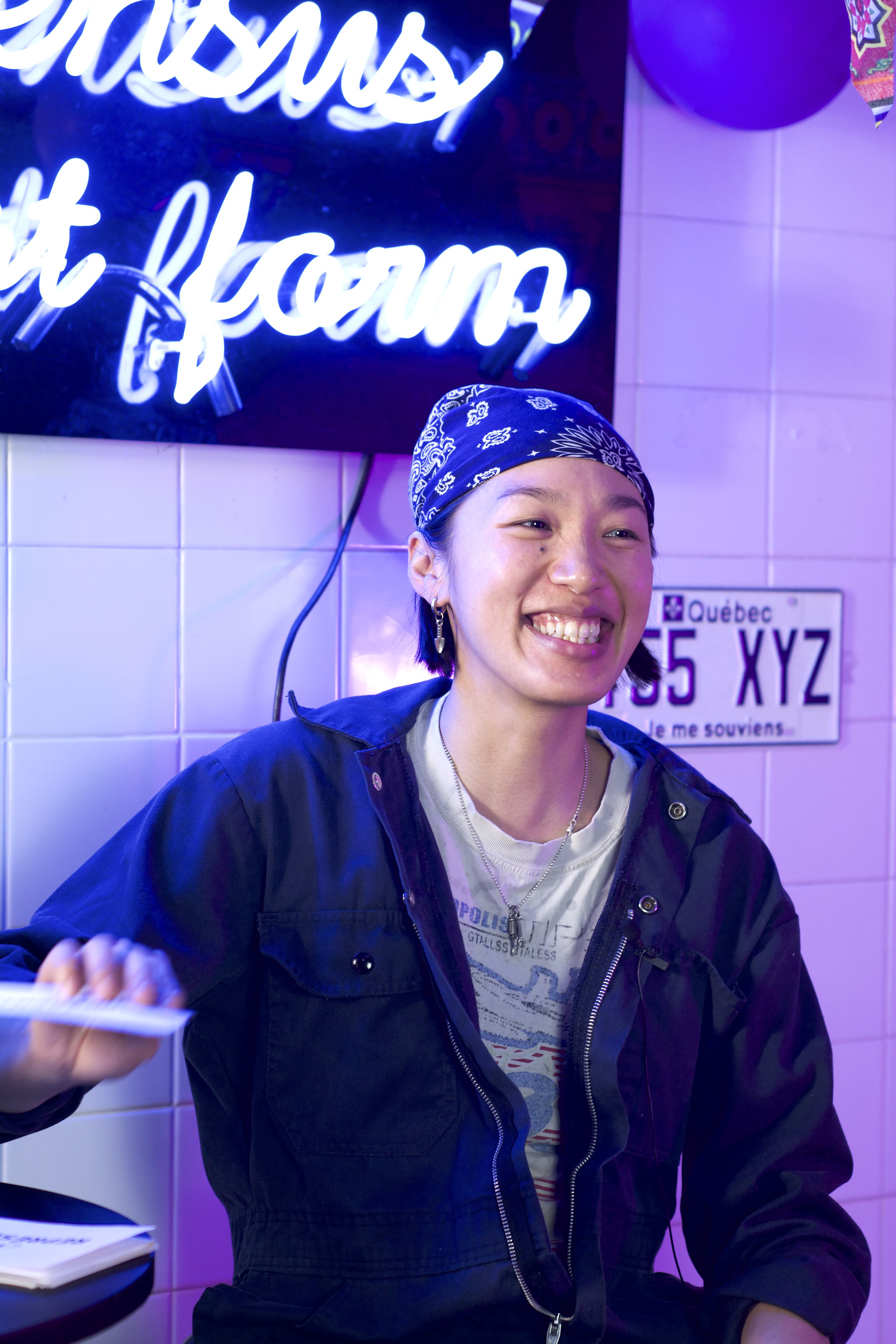
Kat
Meet Kat! They are a mechanic, event organizer, and Cancer. Kat is Vietnamese-Canadian, born and raised in Montreal.
Kat has been a wunderkind tinkerer of machinery for most of their life. Their love for mechanics dates back to their teens, when they would work on motor bikes and other passenger vehicles or trucks. They first entered the trades at the age of 16, which is when they began training to be a mechanic.
They have now been working in this field for about 15 years and have gained recognition within the Queer community for their knowledge and workshops. Kat offers classes and workshops that teach the basic principles of automotive care and maintenance. They work to create safe spaces for QT/BIPOC and marginalized groups who have felt othered in mainstream automotive environments and garages.
Kat primarily works in the Batiment 7 garage as one of their mechanics and workshop facilitators. They were also one of the organizers for the wildly successful Sapphic Car Wash that took place in the summer of 2025 as a fundraiser for Wild Pride and Palestine.
Kat shares their accomplishments but they also reveal to us the stark reality of working in garages as a Queer racialized person. The vast majority of the mechanics field is occupied by cis-hetero and white men. The field is also rife with unchecked harassment and systemic discrimination. Due to the field’s laissez-faire nature, accountability is difficult to attain and systemic harassment is considered a rule of the trade rather than an exception. This creates fertile ground for racism, sexism, Queerphobia, and discrimination of anyone who doesn’t fit within the hypermasculinized environment.
Kat is very frank about their experience within the field and the difficulties they had to face. While they love what they do, they regret the hardships people like themselves are expected to endure in this profession.
They emphasize to us the importance of being honest to QTBIPOC who express desires to enter this field. Our conversation with Kat shows more than anything that it isn’t enough to simply seek representation. We must also ensure the fields lacking representation offer adequate systems of support, incentives, and anti-discrimination measures for underrepresented groups.
What Does Representation Mean to Queer Community Organizers and Artists?
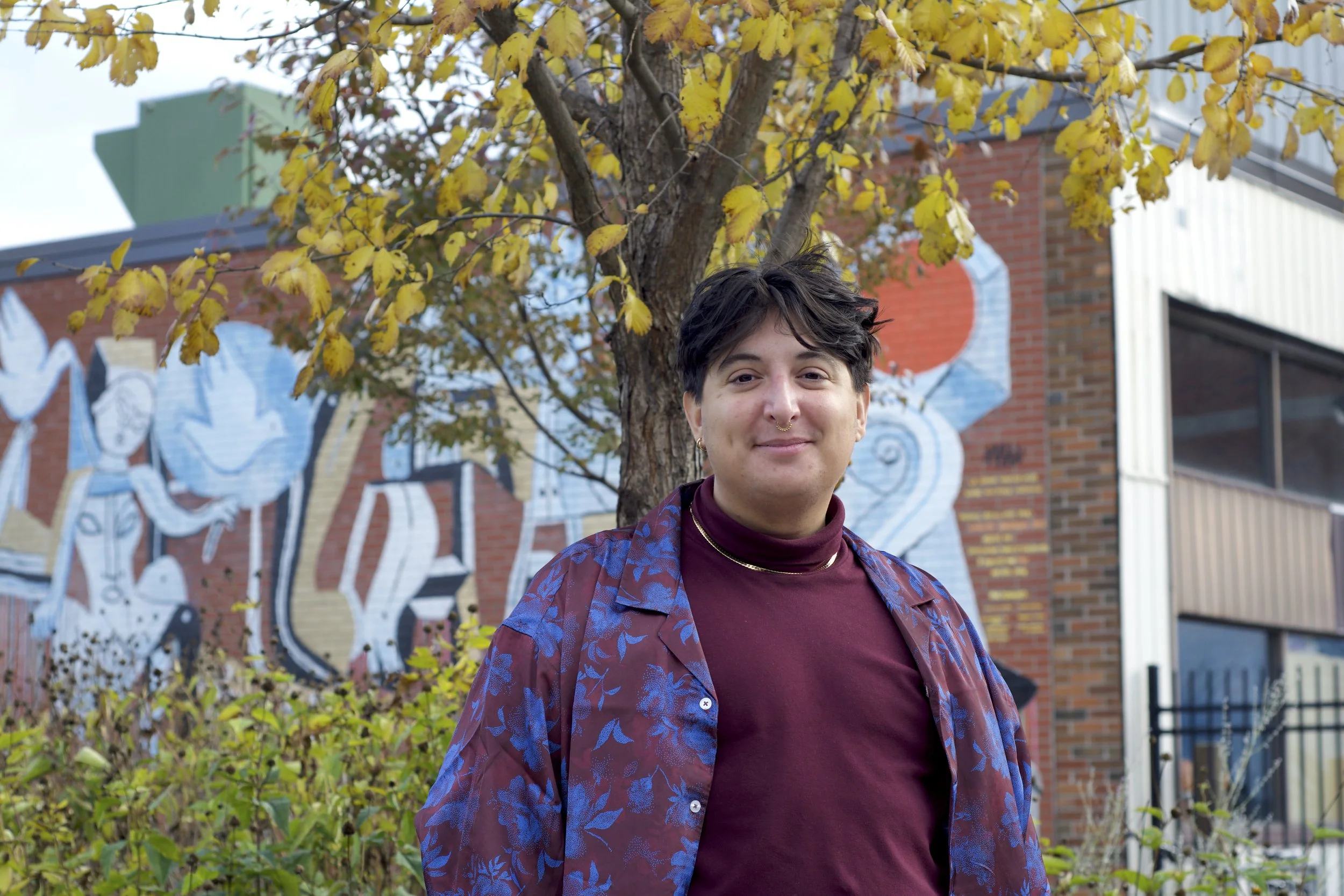
Eli Tareq
Meet Eli Tareq El Bechelany-Lynch! Eli Tareq is a mixed-Lebanese writer, editor, educator, and community organiser. They are based in Montreal but have had roots in many places. They have moved a lot throughout their life; they have lived in Canada, Cyprus, and Lebanon. No matter where in the world they were, Eli Tareq has always had a keen sense of their own identity as a Queer Arab, even from a young age.
“Our communities are like a solar system where we are orbiting each other and part of my work as a community organizer is figuring out how our solar systems work together.”
Over the years, Eli Tareq’s literary career garnered much deserved recognition. They authored titles like knot body and The Good Arabs, which won the Grand Prix du Livre de Montréal. While Eli Tareq has found much success on their own, they also dedicate themselves towards uplifting other authors, especially those who are QTBIPOC. They co-edited El Ghourabaa: an anthology of Queer and Trans writing by Arab and Arabophone writers.As an educator, Eli Tareq has helped many in pursuing their creative voice through writing workshops and mentorships.
“A lot of people are amazing writers and artists but are scared [or] don’t have confidence to pursue it because of systematic false narratives many of us as queers and racialized peoples have been told our whole lives. I like being able to help people find the courage and confidence to make art.”
In tandem with their literary pursuits, Eli Tareq is also a fervent organizer who often coordinates mutual aid initiatives to support people both within Canada and abroad. They also advocate for actively divesting ourselves from institutions and corporate bodies that monopolize the art world, exploit artists, and are complicit in genocide.
“My writing life is not separate from my organizing life…As a writer and reader, I want to be reading the kind of writing coming out of queer, trans, and/or BIPOC independent magazine and book publishers, like Little Puss Press, Mizna, Interlink, B&D Press, Metatron Press, Hush Harbour, Seventh Wave Magazine, and In The Mood Magazine, to name a few. In my new role as publisher at Metonymy Press, I'm excited to get to help publish more of this kind of work.
What Does Representation Mean to Queer Community Organizers and Artists?
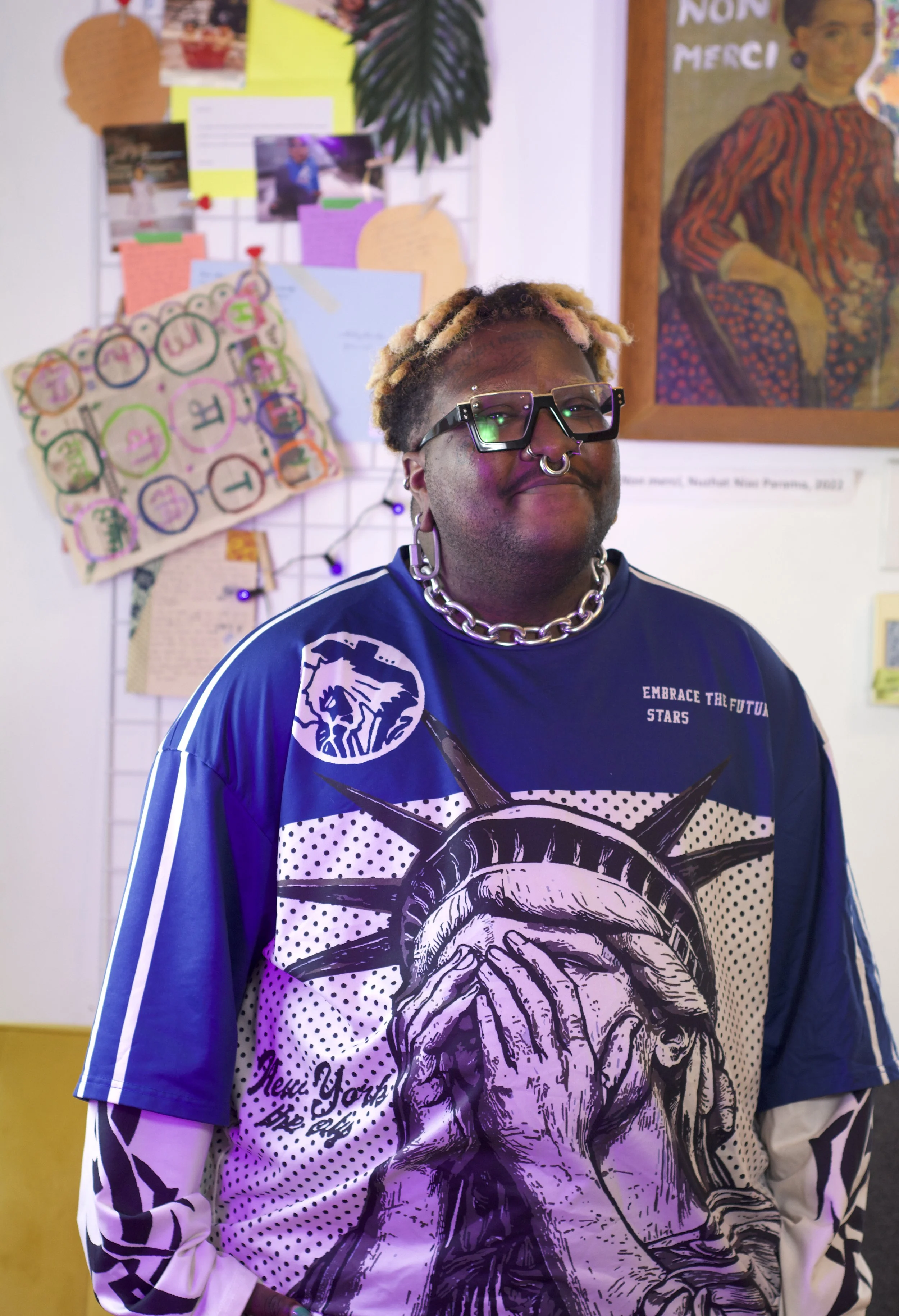
Bawé
Meet Bawé! They are a multi-disciplinary artist, performer, sex worker, educator, and Scorpio. Bawé is of Afro-Carribean background but grew up in the town of Abitibi, QC before eventually moving to Montreal. Their artistry covers a range of expressions including drag, clowning, gogo dancing, and writing. Bawé seamlessly blends their art with their activism both online and offline. Not only do they explore sensitive social issues on stage, but their online presence also regularly delivers astute political observations and information delivered via bubbly pastel pink graphics.
He shared with us his experiences balancing multiple creative professions in the Montreal cultural scene.Bawé’s unique performance style borrows heavily from the art of clowning. With their bright pink costumes and ostentatious collar, Bawé combines the whimsy of clowning with serious content that leaves audiences engaged. One such example was a show he recently performed, which aimed to educate audiences about the history of slavery in Haiti, Bawé’s home country. Bawé wanted this performance to force audiences to reckon with this history and carry the heft off this topic long after the performance is over.
Bawé firmly believes that it’s not enough for performers to simply entertain audiences. He believes it’s the responsibility of both artists and audiences to ensure that our politics stay intertwined with the art we both create and consume.